wellness
Hydration in Louisville's Heat: How Much and What to Drink as Summer Peaks
As temperatures climb and humidity grips the region, local fitness professionals and nutritionists offer concrete guidance on staying properly hydrated during Kentucky's most demanding season.
How we reported this
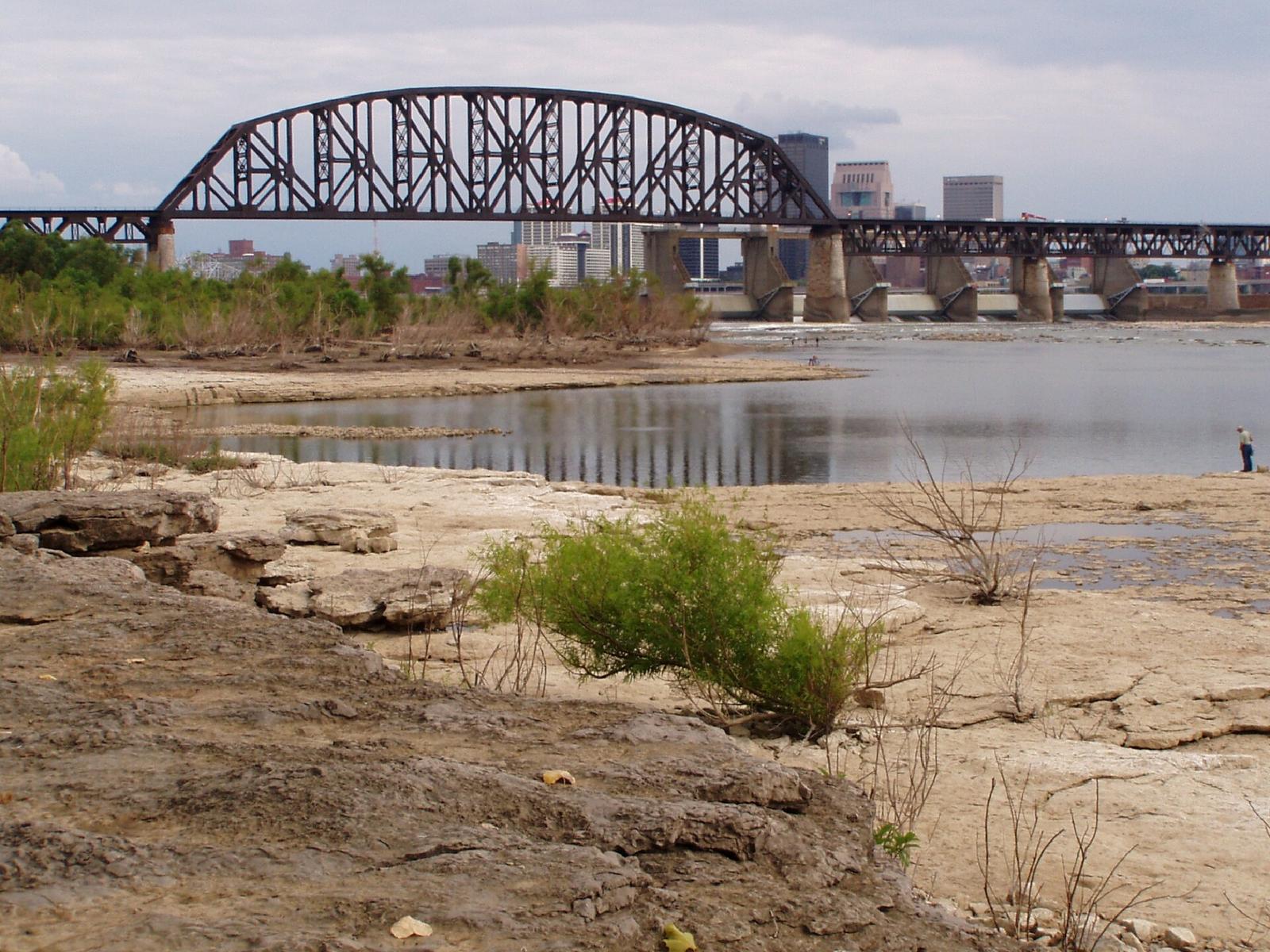
Louisville's summer hydration needs are climbing faster than the thermometer. With temperatures regularly reaching the low 90s and humidity levels that can push the heat index above 100 degrees, residents face a genuine challenge keeping their bodies properly fueled with fluids-and not all beverages are created equal.
The timing matters. Last month's economic data showing Kentucky unemployment held steady at 3.8% means more people are back commuting into offices downtown and working construction jobs across the Falls of the Ohio region. Physical activity in summer heat demands more water than most Louisvillians realize. A person sitting in an air-conditioned office needs roughly half a gallon daily; someone doing yard work or running on the Waterfront Park trail system can need double that in July and August.
Where Louisville Residents Are Getting It Wrong
The Louisville running community has learned this lesson repeatedly. At Runner's Den on Bardstown Road, staff field constant questions from joggers who start their 6 a.m. runs inadequately hydrated, then rely on sports drinks laden with added sugars to catch up mid-morning. A 20-ounce bottle of branded sports drink runs $2.50 to $3.50 at most convenience stores and contains roughly 34 grams of sugar-nearly the daily recommended limit for added sugars in a single serving.
The Louisville Metro Parks and Recreation Department has been running hydration stations at three locations this summer: Waterfront Park near the main pavilion, Seneca Park near the golf course entrance, and Iroquois Park along the ridge trail. The free water stations operate daily from 7 a.m. to dusk, reflecting the department's recognition that dehydration remains a genuine public health concern during peak season.
The Science Behind Sweat Loss
A person exercising in Louisville's July climate loses roughly 1 to 2 liters of sweat per hour, depending on intensity and individual factors. Plain water replaces the fluid, but electrolytes-sodium and potassium-matter equally. Sweat contains significant sodium; plain water alone can actually dilute your blood sodium concentration if consumed in massive quantities without food or electrolyte replacement. This explains why the University of Louisville's Department of Health and Sports Medicine recommends a drink containing 20 to 30 millimoles of sodium per liter for anyone exercising longer than 90 minutes in heat.
The math is straightforward. An athlete weighing 150 pounds and exercising for two hours in 85-degree heat with 70% humidity should consume roughly 1.5 to 2 liters of fluid containing electrolytes-not just plain water. A homemade sports drink costs pennies: one liter of water, half a teaspoon of salt, and six tablespoons of sugar (or honey) provides roughly the same electrolyte balance as commercial options without the $20 to $30 weekly expense.
Most Louisvillians start hydrating too late. Drinking when you're thirsty is already a sign of mild dehydration. Pre-hydration-consuming 16 to 20 ounces of fluid two to three hours before exercise, then another 8 ounces 20 minutes before starting-prevents the deficit from forming. The timing mirrors the recent nutrition conversation about meal frequency, but with fluids: small, frequent intake beats sporadic large volumes.
Local gyms like Life Time on Westport Road now post hydration reminders in their fitness studios, and the trend toward water-bottle carrying has accelerated visibly in neighborhoods along Cherokee Road and around U of L's Belknap Campus. Reusable bottles start at $15 to $30 and pay for themselves in four to six weeks compared to buying bottled drinks.
Start this week by calculating your personal need: body weight in pounds multiplied by 0.5 to 1 ounce, depending on activity level. A 160-pound person moderately active in Louisville's summer should target 80 to 160 ounces daily. Track actual intake for three days. You'll likely find you're consuming half what you need. The hydration stations at Waterfront Park offer free refills-a resource worth using before or after your commute downtown.